
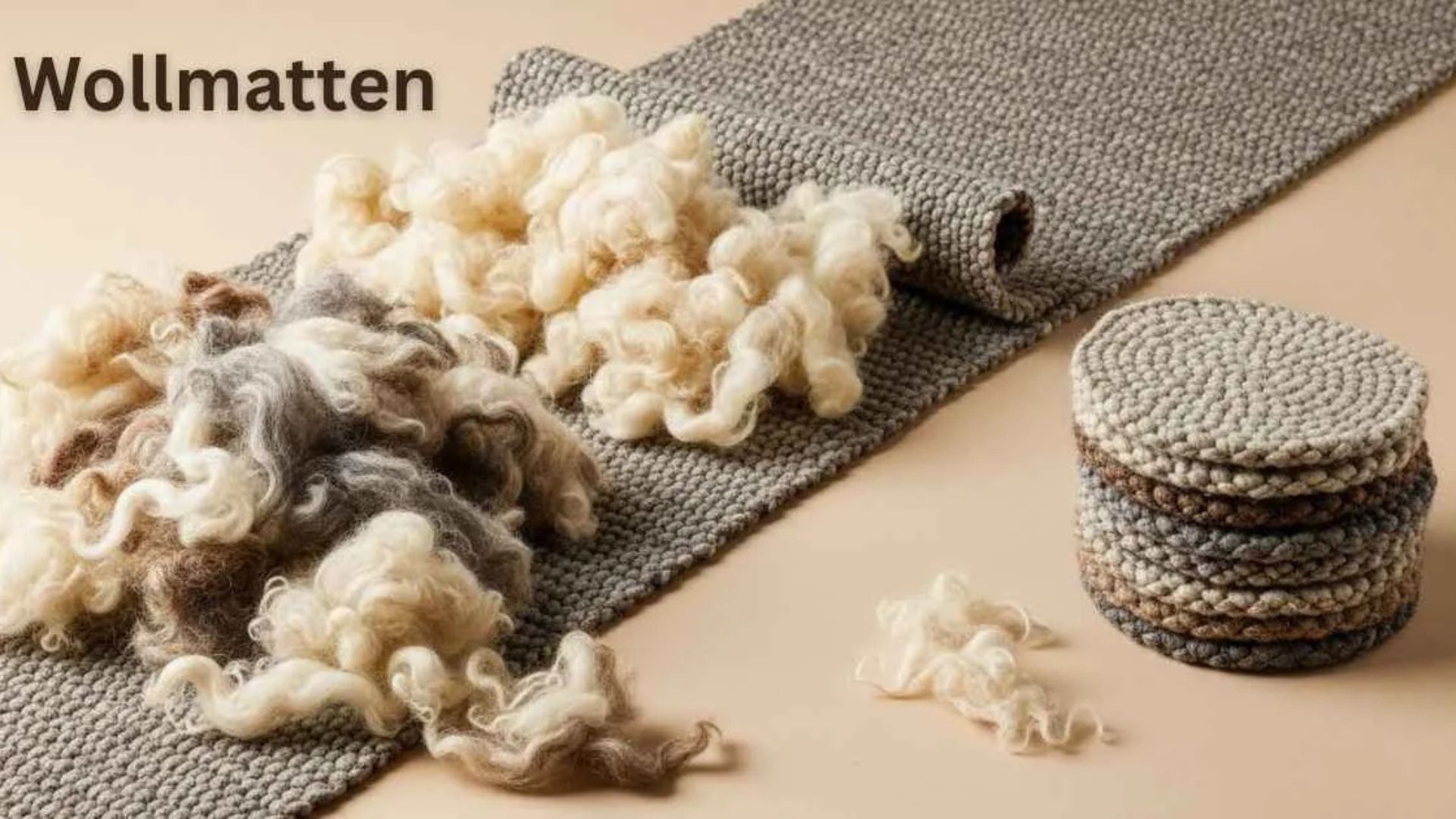
Wollmatten How Eco-Friendly Wool Mats Solve Soil Erosion and Home Insulation Woes
Hey there! Imagine turning something as simple as sheep’s wool – stuff that often gets thrown away – into a superhero material that helps your garden thrive, keeps your house cozy, and even makes your living room look stylish. That’s the magic of wollmatten! If you’re like me, always on the lookout for ways to live greener without complicating things, wollmatten might just be your new best friend. These wool mats, straight from nature, are popping up everywhere from farms to fancy buildings. Let’s dive in and see why they’re such a big deal in our push for a sustainable world.
I’ve seen wollmatten in action on a small farm where a friend struggled with dry soil during hot summers. Switching to these mats changed everything – less watering, healthier plants, and no more pesky weeds taking over. It’s real-life stuff that shows how simple tweaks can make a huge difference. Stick with me as we explore what wollmatten are, how they’re made, and all the cool ways they help out in different areas.
What Are Wollmatten? A Simple Breakdown
Wollmatten are basically mats made from natural wool fibers, pressed together into handy sheets or rolls. The word comes from German, meaning “wool mats,” and they’re all about using wool that’s renewable and kind to the planet. Unlike plastic or synthetic stuff, these mats break down naturally over time, adding goodness back to the earth.
Think of them as versatile helpers. They can be thin for covering garden beds or thick for stuffing into walls as insulation. What makes them special? Wool’s natural crimp – those tiny curls in the fibers – traps air and moisture like a sponge. This gives wollmatten superpowers in holding water, blocking noise, and keeping temperatures steady.
From my chats with gardeners and builders, wollmatten stand out because they’re made from waste wool. That’s the rough bits from sheep shearing that aren’t fancy enough for clothes. Instead of dumping it, we turn it into something useful. It’s a win for farmers who get extra cash and for the environment by cutting down on waste.
The Production Process: From Sheep to Sustainable Mat
Making wollmatten starts with happy sheep getting their annual haircut – it’s good for them, keeps them cool and healthy. The wool, especially the low-grade stuff from bellies or legs, gets collected. No fancy tech needed here; it’s all about smart recycling.
First, the wool is cleaned in a process called scouring. Warm water and mild soap wash away dirt, grease, and salts – no harsh chemicals involved to keep it eco-friendly. Then comes carding, where machines brush the fibers straight, like combing hair to untangle knots.
Next, the magic: felting. Heat, moisture, and a bit of pressure mash the fibers together into a mat. Sometimes needles punch them for extra strength, but it’s all natural binding. The result? A durable mat ready for use, without synthetic glues that could harm the planet.
This circular approach turns potential trash into treasure. Sheep producers love it for the added income, and it fits right into sustainable farming. Plus, the whole process uses less energy than making plastic alternatives, making wollmatten a low-carbon choice.
Wollmatten in Agriculture and Gardening: Boosting Soil Health Naturally
If you’re a gardener tired of fighting dry dirt or sneaky weeds, wollmatten could be your secret weapon. These mats act like a cozy blanket for the soil, holding in moisture and slowly feeding plants nutrients. I’ve tried them in my backyard veggie patch, and wow – my tomatoes stayed juicy even during a dry spell.
Let’s break down the perks:
- Moisture Magic: Wool sucks up water like a champ – up to 30 times its weight! A study showed plants with wool in the soil lasted 14 days without wilting, versus just 5-6 in plain dirt. This means less watering, saving you time and cutting bills.
- Nutrient Boost: As wollmatten break down, they release nitrogen (9-14%), way more than compost (1-2%). It’s like a slow-drip fertilizer, enriching soil without chemicals. Research found wool increased crop yields by 20-70% in things like wheat and tomatoes.
- Weed and Pest Fighters: The thick weave blocks sunlight, stopping weeds in their tracks. Those tiny barbs on wool fibers even scare off slugs and snails. No need for sprays – just natural defense.
- Erosion Control: On slopes or new plantings, wollmatten hold soil in place while plants take root. Products like DAGMAT from New Zealand use dag wool for this, biodegrading to add organic matter back.
Here’s a quick comparison table to see how wollmatten stack up against other options:
| Feature | Wollmatten (Wool Mats) | Compost | Synthetic Mulch |
|---|---|---|---|
| Nitrogen Content | 9-14% | 1-2% | 0% |
| Water Retention | 20-30x weight | Good but variable | Prevents evaporation |
| Weed Control | Excellent barrier | Moderate suppression | Strong barrier |
| Pest Repellent | Deters slugs/snails | None | None |
| Sustainability | Biodegradable, renewable | Biodegradable | Petroleum-based, not biodegradable |
In real tests, waste wool improved soil moisture by threefold in sandy soils and boosted microbial activity for healthier roots. It’s perfect for sustainable farming, reducing the need for synthetic fertilizers and supporting a circular economy.
But a heads up: in super wet spots, untreated mats might attract moths if not stored right. Always check for treated options if that’s a worry.
Wollmatten in Architecture and Construction: Greener Building Blocks
Switching gears to buildings – wollmatten shine here as natural insulation. Architects I know rave about how they make homes energy-efficient without the environmental guilt of foam or fiberglass.
Wool’s air-trapping fibers provide top-notch thermal insulation, keeping heat in during winter and out in summer. One benefit? It can cut cooling energy use by 16% in hot climates. Pair that with breathability – wool absorbs moisture without losing power, preventing mold in walls.
Acoustically, it’s a winner too. The porous structure soaks up sound waves, quieting noisy urban spots or open offices. Tests show excellent noise reduction, thanks to those crimped fibers.
Forms vary: batts for walls, rolls for roofs, or loose fill for tricky spots. They work great with wood or plaster for healthy, breathable buildings. Sustainability-wise, sheep wool insulation has a low carbon footprint, using renewable resources and sequestering carbon. Regulations in Europe push for this, ditching petroleum products.
I’ve visited a wool-insulated home – it felt warmer and quieter, with that fresh air vibe. No itchy fibers like glass wool, either. Just natural comfort.
Wollmatten in Interior Design: Adding Warmth and Style
Who says functional can’t be fun? In homes, wollmatten turn into rugs, wall hangings, or cushions that scream cozy and eco-chic. Picture a soft wool mat under your feet in the living room – warm in winter, cool in summer, thanks to temperature regulation.
Designers love the texture: natural patterns add character, softening hard floors or adding throws to chairs. For nurseries, they’re hypoallergenic, resisting dust mites and mold. Moisture-wicking keeps things dry, great for kids or folks with mobility issues.
Sustainability seals the deal – biodegradable and from regenerative farms, they support biodiversity. In New Zealand, wool interiors cut toxins like VOCs in hours, making air cleaner. Mix with hemp for hybrids, or use in offices for that welcoming feel.
One tip: Vacuum regularly to keep them fresh. They’re durable, but gentle cleaning extends life.
The Market and Future of Wollmatten: Growing Green
The wool market’s booming, valued at $11.25 billion in 2024 and eyeing $21.60 billion by 2032. Why? Rising demand for sustainable stuff, from mats to insulation. Innovations like hybrid fibers with flax promise even tougher products.
Challenges? Upfront costs might be higher, but long-term savings on water and energy pay off. As rules tighten on plastics, wollmatten are set to soar.
Conclusion
Wrapping up, wollmatten aren’t just mats – they’re a smart step toward a greener life. From fixing soil issues on farms to insulating homes and adding style indoors, they tackle real problems with natural ease. By choosing them, you’re supporting farmers, cutting waste, and building a sustainable future one wool fiber at a time.
If you’re ready to try wollmatten, start small – maybe a garden mat or rug. You’ll see the difference in health, comfort, and peace of mind. Let’s keep pushing for these eco-heroes; they’re proof that simple, natural solutions can make a big impact. What’s your next green move?
FAQ Section
Q: What are wollmatten and how do they benefit sustainable agriculture?
A: Wollmatten are eco-friendly wool mats made from natural fibers, ideal for sustainable agriculture. They improve soil health by retaining moisture up to 30 times their weight, releasing nutrients like nitrogen slowly, and suppressing weeds naturally. Studies show they boost crop yields by 20-70% while reducing chemical use, making them a green choice for farmers aiming for regenerative practices without synthetic mulches.
Q: How can wollmatten enhance home insulation in architecture?
A: In architecture, wollmatten provide natural thermal and acoustic insulation for buildings. Their crimped fibers trap air for energy efficiency, cutting cooling needs by 16% and absorbing sound waves effectively. Sustainable and breathable, they regulate humidity to prevent mold, offering a low-carbon alternative to synthetic materials in walls, roofs, and floors for greener constructions.
Q: Are wollmatten suitable for interior design and lifestyle applications? A: Yes, wollmatten add warmth and style to interior design as rugs, throws, or wall art. Hypoallergenic and moisture-wicking, they resist dust mites and regulate temperature for comfort in bedrooms or nurseries. Their natural textures enhance eco-friendly homes, supporting sustainability by being biodegradable and sourced from renewable wool, perfect for modern, healthy living spaces.
Q: What makes wollmatten a sustainable choice compared to synthetic alternatives?
A: Wollmatten stand out for sustainability as they’re made from renewable, biodegradable wool, often waste from shearing. They sequester carbon, enrich soil upon decomposition, and have a lower footprint than petroleum-based synthetics. Benefits include water conservation in gardening and energy savings in buildings, aligning with circular economy goals for environmentally conscious users.
Q: How long do wollmatten last and how should they be maintained?
A: Wollmatten biodegrade in months to years depending on use, allowing slow nutrient release in agriculture. For home or architecture, they last years with proper care like vacuuming and spot-cleaning. Avoid damp storage to prevent pests; treated options repel insects. Their durability and easy maintenance make them cost-effective for sustainable gardening, insulation, and design needs.